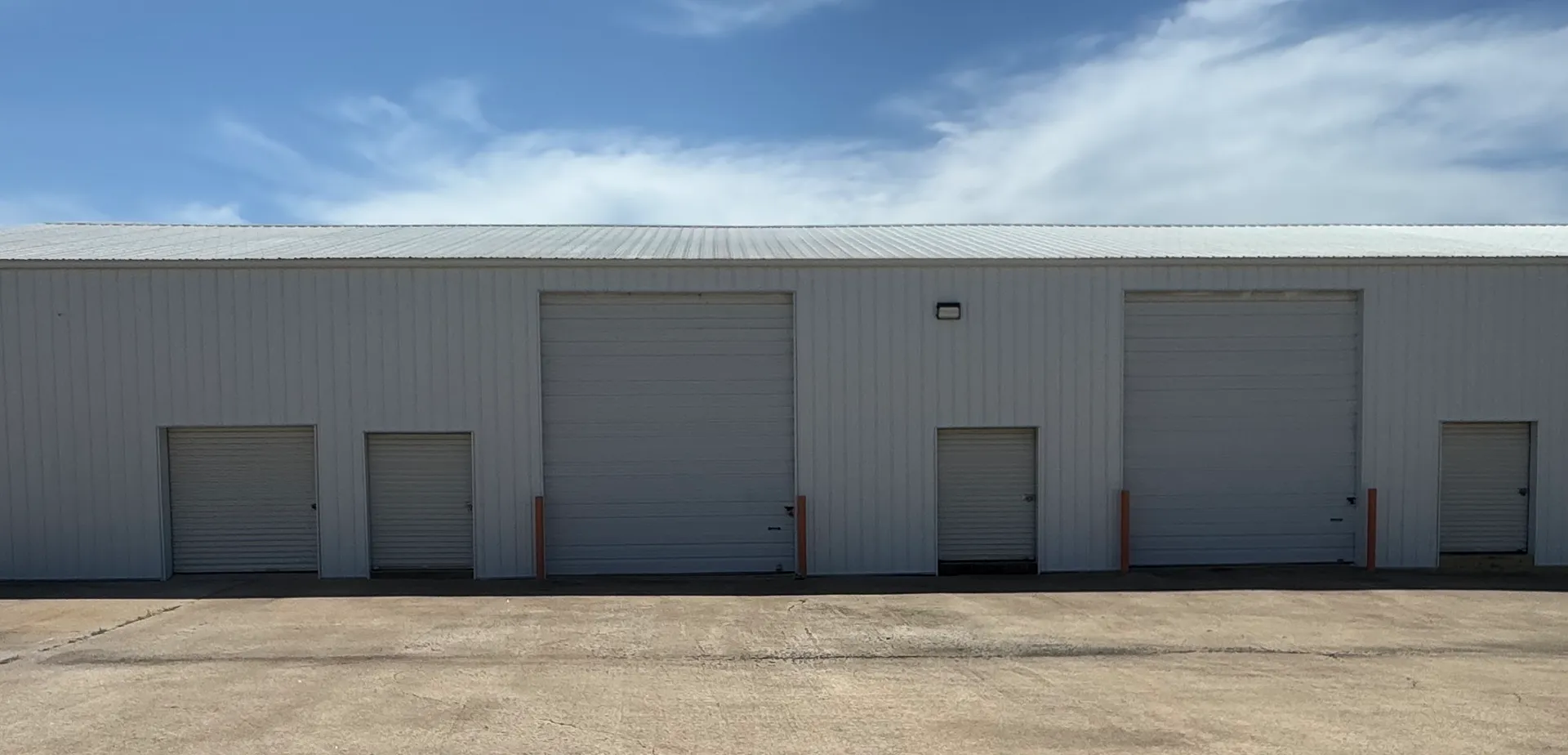
Problems with commercial roofing in St. Joseph often become expensive because they are discovered after water reaches inventory, equipment, ceiling systems, or occupied space. A maintenance plan gives property owners a repeatable way to document conditions, address drainage, and decide when repairs are needed. For businesses in St. Joseph, the most useful plan combines scheduled inspections with checks after severe weather and a clear process for reporting leaks. It does not promise that every problem can be prevented.
Map the Roof Before Problems Start
Begin with a basic record of the roof type, approximate installation date, previous repairs, warranty terms, drainage locations, rooftop equipment, and safe access points. Keep drawings or photographs showing drains, scuppers, parapets, seams, penetrations, and areas where water has collected. When a leak occurs, that record helps the roofer compare a new symptom with earlier findings rather than starting from zero.
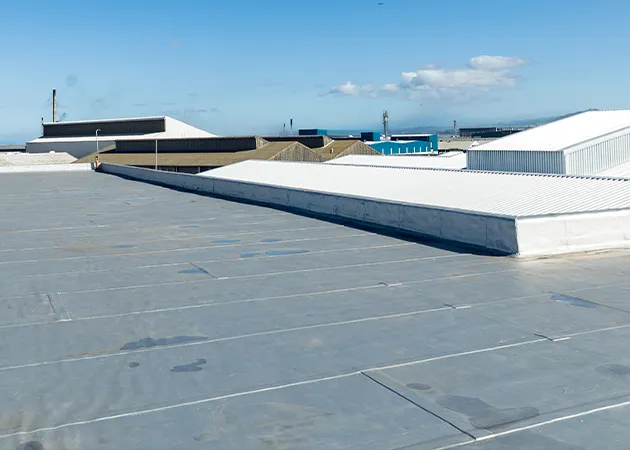
Different roof systems have different vulnerabilities. A membrane roof may require attention to seams, punctures, and flashing transitions. A metal system may need checks around fasteners, laps, and penetrations. The correct inspection method depends on the material and assembly. A commercial roofing assessment in St. Joseph should account for the actual system instead of using one checklist for every building.
Make Drainage a Priority
Standing water deserves investigation because it may reveal blocked drains, debris, low areas, or changes in the roof surface. Ponding alone does not prove that a roof has failed, but recurring water can increase stress on certain materials and expose weak details. Drains, gutters, and scuppers should remain clear, especially after leaves or storm debris accumulate. Building staff can report visible water from safe access points, but they should not attempt roof work without appropriate training and fall protection.
For example, a small retail building might develop a ceiling stain only after long periods of rain. The cause could be a blocked drainage route, a seam defect, or a penetration higher on the roof. Simply painting the ceiling does nothing to correct the source. The inspection should trace the likely water path and document whether surrounding insulation or decking has been affected.
Inspect After Weather and Building Changes
Regular reviews are valuable, but unusual events can change roof conditions quickly. High winds may loosen perimeter details. Hail may damage exposed materials or equipment. Maintenance crews working on HVAC units can accidentally puncture a membrane or disturb flashing. Add a roof check after significant storms and after contractors perform work above the building. Record who accessed the roof and when.
A practical report includes dated photos, the location of each observation, urgency, and recommended follow-up. Separate conditions that require prompt protection from items that can be monitored. An active leak near electrical equipment or a sagging roof area is a safety issue; keep people clear and involve qualified professionals. Never send an untrained employee onto a wet or damaged roof.
Know When Repairs Make Sense
Commercial roof repair may address isolated punctures, failed seams, damaged flashing, or localized deterioration when the surrounding assembly remains serviceable. Repairs should be compatible with the existing system and warranty conditions. Ask the contractor to explain how moisture was evaluated and whether the proposed work treats the cause rather than the visible symptom.
Replacement is a different decision. It may become appropriate when defects are widespread, wet insulation extends beyond a repairable area, the assembly has recurring failures, or the long-term cost of repeated repairs is difficult to justify. A roof replacement in St. Joseph should be considered alongside occupancy, equipment access, business schedules, and the consequences of interruption. A single leak is not enough evidence to determine that replacement is necessary.
Budget for the Whole Building
Roofing work can affect deliveries, customer entrances, employee parking, HVAC operation, and sensitive inventory. Ask how materials will be staged, how debris will be contained, and whether noisy work can be scheduled around business operations. A warehouse, restaurant, office, and retail storefront have different constraints. Planning those details before work begins can prevent avoidable disruption.
Compare commercial roofing services in St. Joseph using a written scope. It should identify the roof system, repair areas, surface preparation, drainage work, flashing, safety provisions, access requirements, cleanup, and warranty details. If a contractor proposes a coating or restoration system, ask what substrate conditions and preparation are required. Not every aging roof is a suitable candidate for every product.
Assign Responsibility for Follow-Up
A maintenance plan fails when findings are filed away without action. Assign one person to maintain the roof log and track recommended repairs, inspection dates, warranty notices, and completed work. Record both the original concern and the outcome. If a repair is performed, arrange follow-up after the next substantial rain to confirm whether the symptom has returned. Some leaks require additional investigation even after a reasonable first repair.
A roofing contractor in St. Joseph can help assess conditions, but the building owner or manager should retain the records. Consistent documentation supports budgeting and makes it easier to brief future contractors. It also helps distinguish a new problem from one that has appeared repeatedly in the same area.
Frequently Asked Questions
How often should a commercial roof be inspected?
The appropriate schedule depends on the roof system, manufacturer guidance, warranty requirements, age, and exposure. Many owners plan periodic inspections plus reviews after significant storms, but the specific interval should be set for the building.
Can building staff clear roof drains?
Only when access is safe and the workers are trained and equipped for the task. Roof edges, wet surfaces, skylights, and concealed openings create serious fall hazards. A qualified contractor is the safer choice when conditions are uncertain.
What belongs in a roof maintenance log?
Include dated photographs, inspection findings, leak reports, drain conditions, contractor visits, repair descriptions, warranty information, and follow-up dates. Clear location references make the record more useful over time.
For an overview of roofing work in the area, see our page dedicated to roofing services in St. Joseph.

Contact our team at Skyline for all your roofing needs! You can reach us online or by calling (660) 373-5824. Whether you need asphalt shingles, metal roofing, repairs, or an estimate, we are the company you can trust. Our team is ready to step in and provide the premium roofing services that you deserve.



Leave A Comment