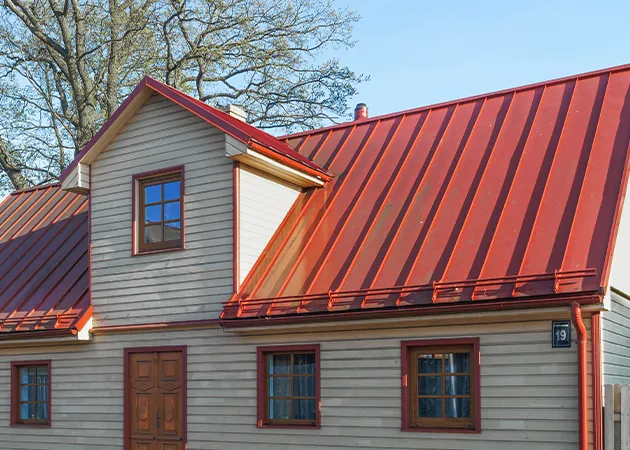
A roofing contractor in St. Joseph should be the first place you call when a roof starts showing signs that water, wind, or age has gotten the upper hand. The tricky part is that roof trouble does not always announce itself with a stream of water in the living room. More often, it begins with a loose shingle, a faint ceiling stain, or granules collecting in a gutter. Knowing which signs deserve attention can help you deal with a small problem before it reaches the decking, insulation, drywall, or framing.
When should you call a roofing contractor in St. Joseph?
Call after a strong wind or hailstorm if you can see missing, lifted, cracked, or dented shingles from the ground. You should also make the call when flashing has pulled away from a chimney, vent, skylight, or wall.
Indoor clues matter just as much. A new water spot, peeling paint near the ceiling, damp attic insulation, or a musty odor after rain all warrant a closer look. Water rarely falls straight down from the opening where it entered. It can run along decking, rafters, pipes, and fasteners before it becomes visible, so the stain may not sit directly below the damaged area.
You do not need to climb onto the roof to confirm the cause. In fact, wet materials, loose granules, and steep slopes make a homeowner inspection risky. Take photos from the ground, note when the symptom appeared, and tell the roofer whether it followed a particular storm.
Which warning signs can wait, and which ones cannot?
Active leaking, sagging sections, storm-created openings, and roofing material on the ground deserve prompt attention. If water is entering near electrical fixtures, keep clear of the area and address the immediate safety concern first. A tarp or other temporary measure may limit additional damage, but it is not a lasting fix.
A small ceiling mark that has dried should not be ignored either. It may indicate an intermittent leak that appears only when rain blows from a certain direction. Scheduling roof repair in St. Joseph early can be the difference between replacing a few damaged materials and opening a much larger section of the roof.
Other symptoms allow a little more time for planning. Light granule loss on a newer asphalt roof can be normal, while heavy accumulation from an older roof may signal wear. Moss, dark streaks, and clogged gutters are not always emergencies, but they can hide deterioration or keep moisture where it does not belong. A professional inspection can separate a cosmetic issue from a condition that is shortening the roof’s service life.
Is a repair enough, or is replacement the better move?
That answer depends on the location and extent of the damage, the roof’s age, and the condition of the surrounding materials. A localized problem on an otherwise sound roof often makes a targeted repair reasonable. Damage spread across several slopes, repeated leaks, brittle shingles, or failing decking may point toward roof replacement in St. Joseph instead.
A trustworthy roofing contractor in St. Joseph should explain what was found and why a particular option makes sense. Ask to see photos of affected areas, including flashing and exposed decking when applicable. It is also fair to ask how long a repair is expected to last and whether nearby materials are likely to need attention soon.
Price matters, but the cheapest immediate option is not automatically the least expensive over time. Repeated patching on a worn-out system can add up while leaving the home exposed to another leak. On the other hand, replacing a serviceable roof because of one isolated defect is unnecessary. The inspection should give you enough detail to weigh cost, remaining life, and risk without being rushed.
What happens during a professional roof inspection?
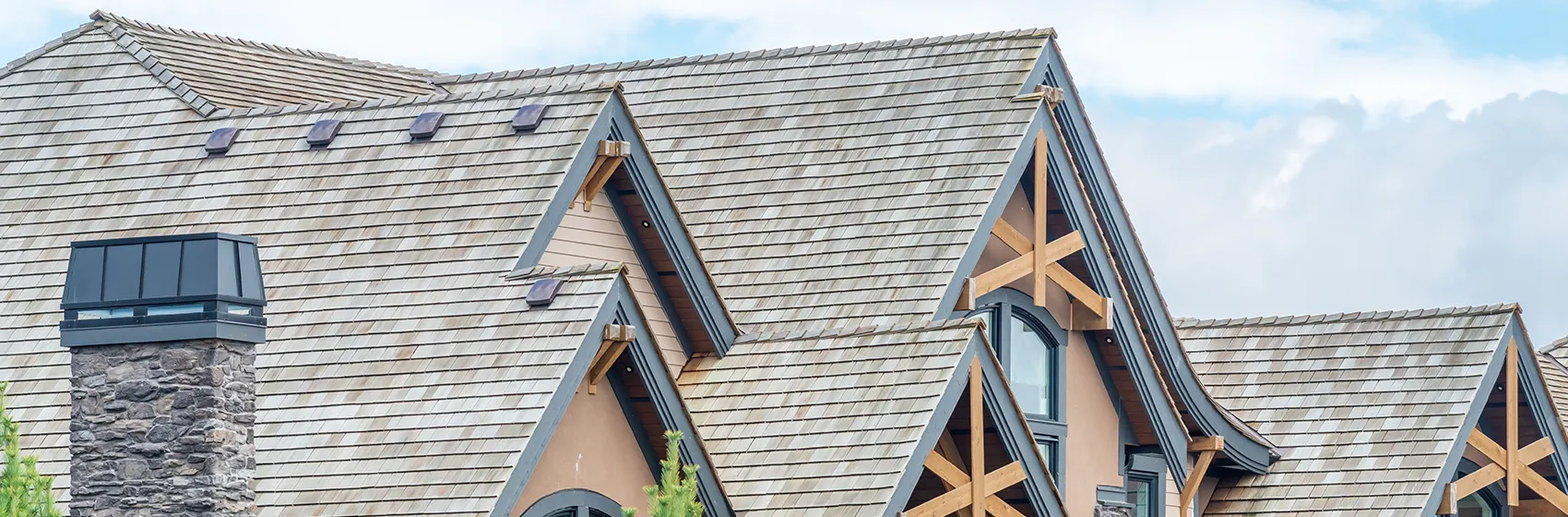
The roofer will usually begin by asking about the roof’s history, recent storms, past repairs, and anything you have noticed indoors. Exterior work may include checking shingles or panels, penetrations, flashing, valleys, edges, gutters, and visible drainage patterns. When access is safe and appropriate, the attic can reveal staining, damp insulation, inadequate ventilation, daylight through openings, or damaged wood.
This broader view is important because the visible symptom is not always the whole problem. A leak near a vent may come from failed flashing, an aged seal, or damage farther upslope. A thorough inspection follows the likely path of water and looks for contributing conditions rather than covering the first suspicious spot.
If the roof is being installed on a new home or addition, good roof installation in St. Joseph starts with the same attention to the full system. Decking, underlayment, flashing, ventilation, fastening, and drainage all work together. The finished surface is only one layer of protection.
Does a residential roof need a specialist?
Homes have details that make experience with residential roofing in St. Joseph valuable. Dormers, valleys, attached garages, porches, chimneys, skylights, and additions create intersections where water must be directed carefully. Ventilation also has to suit the attic and the way the home is built, not simply meet a generic rule of thumb.
Local conditions matter too. Heat, freezing weather, wind, hail, and rapid temperature changes put different stresses on materials and fasteners. Established residential roofing services in St. Joseph should account for those conditions when recommending materials and explaining maintenance needs.
Ask who will handle the work, what protection will be used around landscaping and siding, and how debris will be collected. You should receive a clear scope describing materials, ventilation or flashing work, cleanup, and warranty terms.
How can you prepare before the roofer arrives?
Write down what you have seen, where it appeared, and when it happens. Photos of a stain after rain or shingles found in the yard can be helpful. If you know the roof’s approximate age or have invoices from earlier work, keep those nearby. Move fragile items away from attic access, and make sure pets and vehicles are clear of the work area.
When speaking with a roofing contractor in St. Joseph, ask direct questions: What caused the problem? Is there hidden damage? What must be done now, and what can reasonably wait? A useful answer should connect the recommendation to visible findings. You are not looking for a dramatic sales pitch. You are looking for a clear picture of the roof’s condition and a practical next step.
FAQs
Can a roofer inspect my roof if it is not leaking?
Yes. An inspection can be useful after severe weather, before buying or selling a home, or when the roof is approaching the later part of its expected service life. Finding loose flashing or early material failure before water gets inside usually gives you more options.
How quickly should I call after a storm?
As soon as it is safe to assess the property from the ground. Demand may rise after a widespread storm, so documenting visible damage and contacting a roofing contractor in St. Joseph promptly can help you understand whether temporary protection or repairs are needed.
Should I get more than one roofing estimate?
It can be helpful, especially for a large project. Compare the scope, materials, flashing and ventilation details, cleanup, warranties, and payment terms, not just the final number. Estimates are only comparable when they describe the same work.

Contact our team at Skyline for all your roofing needs! You can reach us online or by calling (660) 373-5824. Whether you need asphalt shingles, metal roofing, repairs, or an estimate, we are the company you can trust. Our team is ready to step in and provide the premium roofing services that you deserve.



Leave A Comment